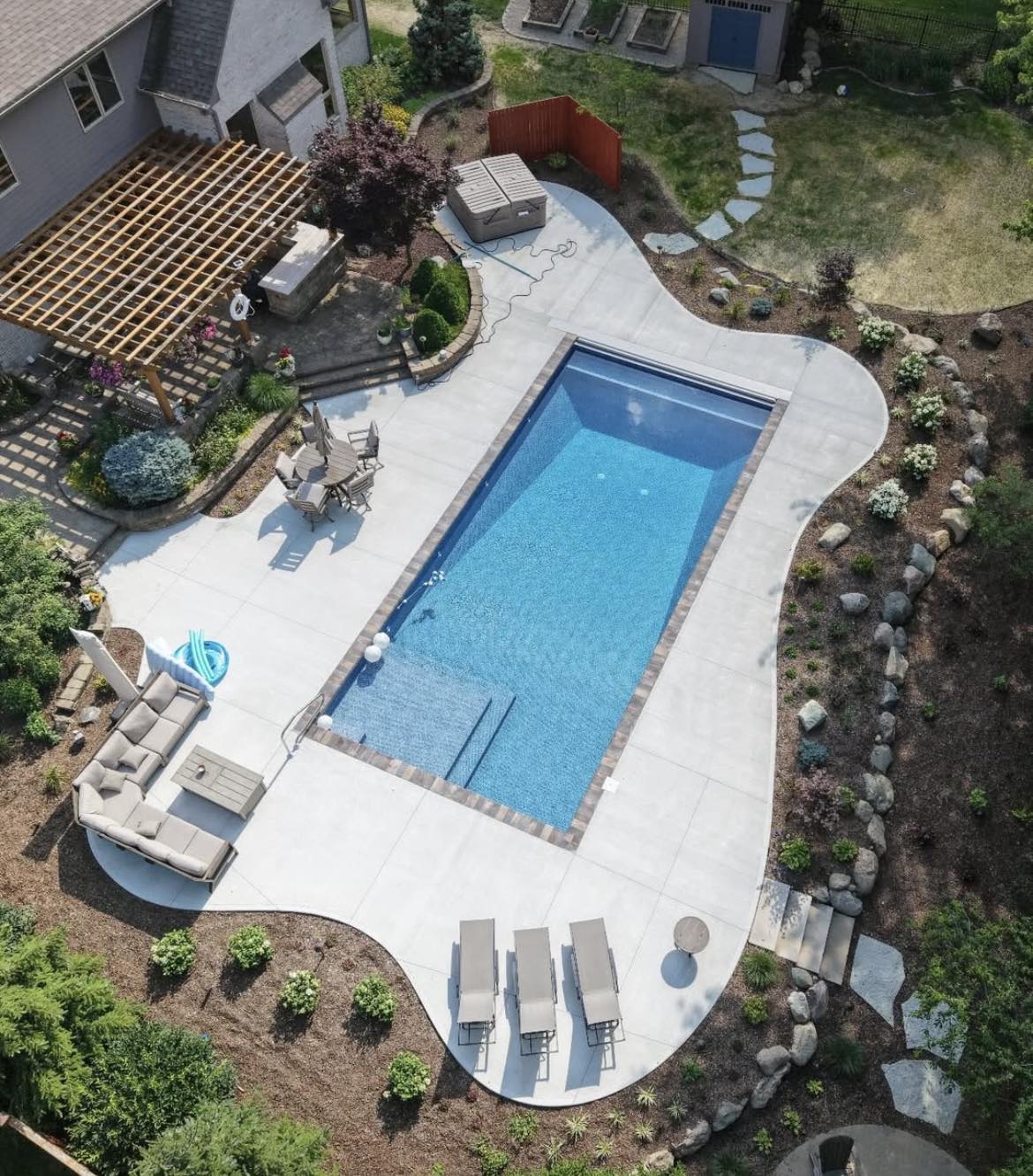
Transform Your Outdoor Space with Expert Landscape Design Tips Apr 08, 2026
Start by assessing the needs and desires of those who will use the space. Consider how much time you plan to spend in your yard and the types of activities you wish to accommodate. Whether you're envisioning a serene garden for quiet evenings or a dynamic area for social gatherings, understanding your goals will inform the design process at every step.
Begin with a site evaluation. Take note of existing features, such as trees, slopes, and drainage patterns, that may influence your design decisions. Pay attention to sunlight patterns to optimize plant placement and ensure a balanced environment. This evaluation helps in creating a design that fits organically with the natural landscape.
Next, consider how you can create distinct zones within your outdoor space. Designate areas for various activities by using elements like shrubs, hedges, or decorative fencing. This approach can establish privacy and define your landscape beautifully. For example, a secluded seating area surrounded by fragrant plants like lavender creates a perfect nook for relaxation.
Incorporating a variety of plant types, colors, and textures can enhance the visual appeal of your garden. Choose a mix of perennials and seasonal flowers to ensure year-round color. Native plants are an excellent choice for a low-maintenance and eco-friendly garden that thrives in your local climate. Emphasizing native species also supports the local ecosystem, attracting beneficial insects and birds.
Hardscaping, a crucial component of landscape design, adds structure and functionality. Paths and walkways guide movement through the space and connect different zones. Consider materials that complement your home's architecture and existing landscape elements. Natural stone, bricks, or gravel can provide durability while enhancing the aesthetic appeal.
Water features, such as fountains or ponds, can serve as stunning focal points in your garden. The soothing sound of water can bring a sense of tranquility to your space, while also helping to mask unwanted noise from nearby roads or neighbors. With various styles and sizes available, water features can be tailored to fit any landscape, making them a versatile option for enhancing your garden's ambiance.
Lighting plays a crucial role in setting the mood and extending the usability of your outdoor spaces into the evening hours. Strategically placed lighting can highlight key features like trees or water installations, improving safety and adding warmth. Use a mix of solar lights for pathways and uplighting for dramatic effect on trees, creating a layered look.
As you implement your landscape design, consider maintenance requirements. To keep your landscape looking its best, choose low-maintenance plants if you have limited time for upkeep. Installing an irrigation system can help ensure your plants receive the right amount of water without requiring frequent manual effort.
In conclusion, transforming your outdoor space with expert landscape design involves planning, creativity, and thoughtful execution. At Shaw Landscape and Design, we are here to help you realize your vision, bringing both expertise and passion to the task. Contact us today to learn more about how we can help you create the backyard of your dreams, blending beauty with functionality for an outdoor space you’ll love for years to come.
/filters:no_upscale()/filters:format(webp)/media/a93df048-82c1-4c71-b017-285cd35cb06e.jpeg)